
Blog

Employee Benefits Benchmarking: How Does Your Company Compare in India?

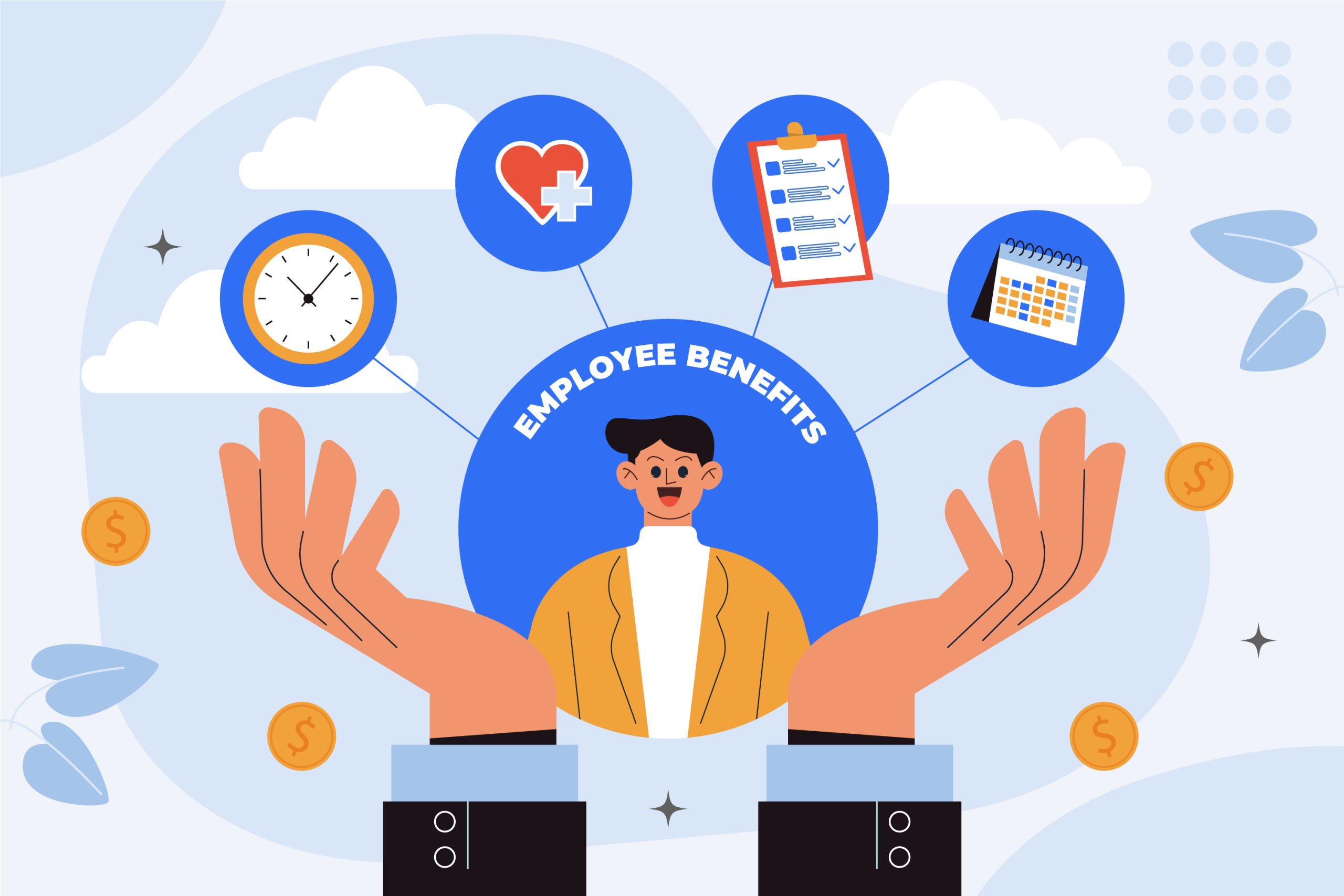
Employee benefits benchmarking is the process of comparing your company’s benefits package against what similar companies in your industry and city offer. Without it, HR teams often set benefits budgets based on internal history rather than external reality. In India, benefits expectations shift quickly, driven by sector, city, and company size. Benchmarking gives HR a…

How to Reduce Employee Attrition with a Better Benefits Program

Employee attrition refers to the rate at which employees voluntarily leave a company over a given period. In India, average tenure has been shrinking across sectors, driven by competitive hiring and changing employee expectations. Many companies respond by raising salaries. However, salary alone rarely solves the underlying reasons employees leave. A well-structured benefits program addresses…

Employee Benefits for Gen Z: What India’s Next Generation Expects at Work

Employee benefits for Gen Z refer to the specific perks and support structures that resonate with employees born roughly between 1997 and 2012. As this generation enters the Indian workforce in growing numbers, their expectations differ from previous generations in some clear, practical ways. They are used to instant digital experiences and expect the same…

One-Stop Employee Benefits Platform vs Multiple Vendors: A Cost Analysis

A one-stop employee benefits platform combines insurance, rewards, wellness, and financial benefits into a single system, rather than requiring separate vendors for each. Many Indian companies still run three, four, or more disconnected vendors. This approach can look cheaper on paper, since each individual contract may seem small. In practice, the hidden costs of managing…

Tax-Saving Employee Benefits in India: NPS, Insurance, and Beyond

Tax-saving employee benefits are perks structured to legally reduce an employee’s taxable income under Indian tax law. Common examples include NPS contributions, health insurance premiums, and select allowances. In India, appraisal season runs from January to April, which is exactly when employees start scrambling for tax-saving options. Many companies already offer some of these benefits.…

Employee Wellness Benefits: Teleconsultation and Mental Health Support in India

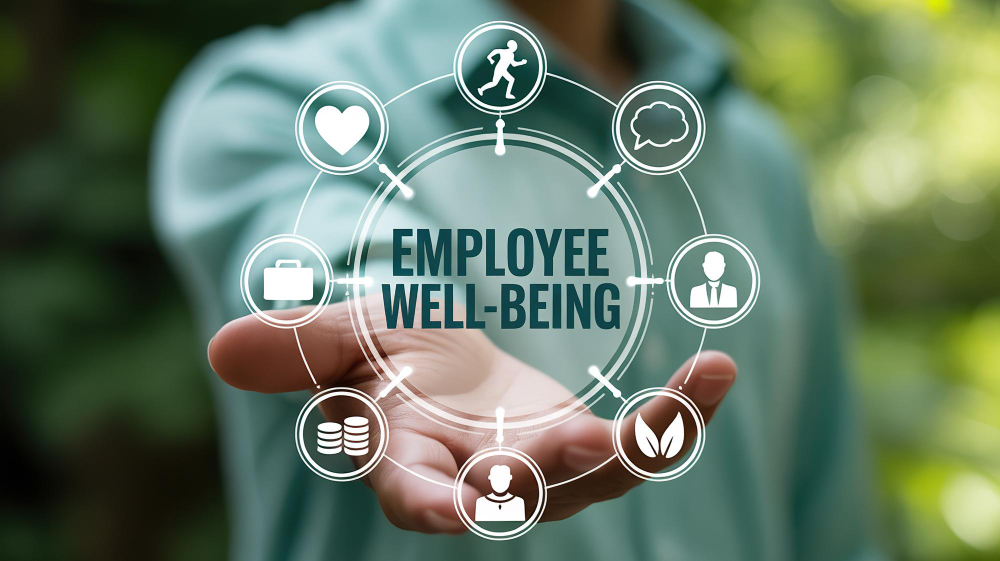
Employee wellness benefits are the health and mental wellbeing support companies offer beyond standard medical insurance. This includes teleconsultation, therapy access, and preventive care programs. In India, this category has expanded quickly since the pandemic, as remote and hybrid work blurred the line between office stress and home life. Understanding what modern employee wellness benefits…

How to Measure Employee Benefits ROI: Metrics Every HR Head Should Track

Employee benefits ROI is a measure of the value a benefits program returns relative to its cost, expressed through outcomes such as retention, engagement, and productivity. Most Indian companies track how much they spend on benefits. Far fewer track what that spend actually delivers. This gap matters, because HR budgets are under closer scrutiny than…

HRMS Integration for Benefits Management: What to Look For in 2026

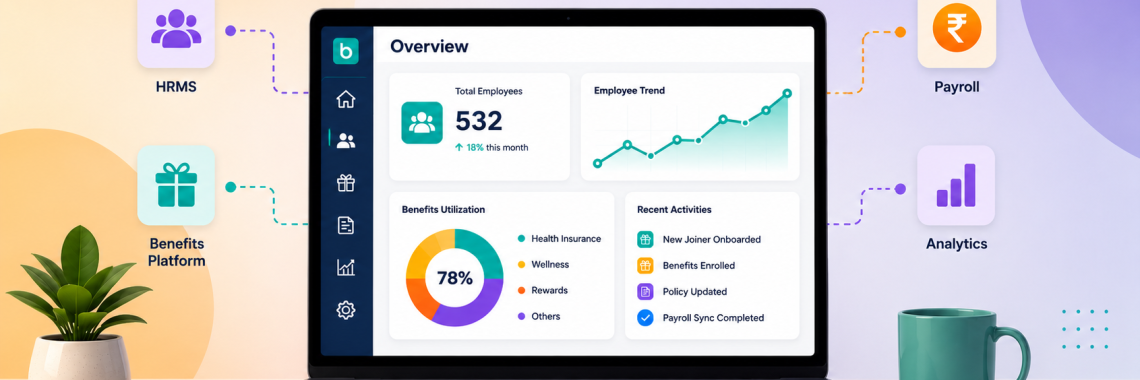
HRMS integration for benefits management means connecting your core HR system with your benefits platform so employee data flows automatically between the two. Without it, HR teams re-enter the same information across insurance, rewards, and payroll tools. In India, where mid-size companies often run three or more separate HR systems, this manual duplication adds up…

Employee Engagement vs Employee Satisfaction: Key Differences Every HR Leader Must Know in 2026

Employee engagement and employee satisfaction are two of the most frequently used terms in HR — and the most frequently confused. Employee satisfaction refers to how content an employee feels about their job conditions, salary, and environment. Employee engagement, by contrast, describes the emotional commitment an employee has to their organisation, its goals, and its…

How to Build a High-Impact Employee Engagement Strategy in 2026

Why Most Employee Engagement Initiatives Fall Short Most programs underperform not because of intent but because of design. Five recurring failure points: How to Build an Employee Engagement Strategy That Actually Works A high-impact strategy integrates five interconnected dimensions: financial security, health and wellbeing, recognition, communication, and data intelligence. Benefitwise brings all of this together…