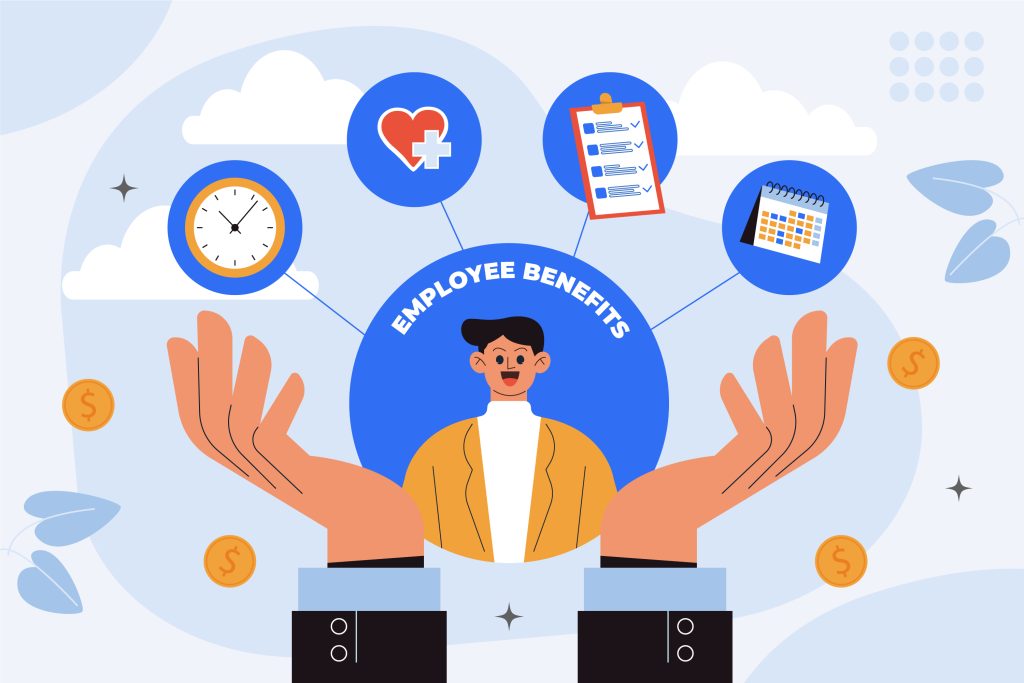
Employee attrition refers to the rate at which employees voluntarily leave a company over a given period. In India, average tenure has been shrinking across sectors, driven by competitive hiring and changing employee expectations. Many companies respond by raising salaries. However, salary alone rarely solves the underlying reasons employees leave. A well-structured benefits program addresses those reasons directly, which is why it plays a growing role in retention strategy.
Why Salary Increases Alone Don’t Stop Employees From Leaving
Pay matters, but it rarely addresses the day-to-day frustrations that push people to start job hunting.
- Recognition happens too rarely. Annual appraisals aren’t a substitute for ongoing appreciation.
- Benefits go unused or unnoticed. Employees can’t value what they don’t know they have.
- No support during personal stress. Health issues or financial pressure often go unaddressed until they force a resignation.
- Generic perks feel impersonal. A one-size-fits-all package rarely matches what an individual employee actually needs.
- Competitors offer more than salary. Rival employers increasingly compete on flexibility, wellness, and recognition, not pay alone.
How to Build a Benefits Program That Actually Reduces Attrition
Retention-focused benefits work by addressing the specific, ongoing frustrations behind resignations, not just offering more perks.
- Make recognition frequent and visible. Move from annual awards to in-the-moment appreciation that employees actually notice.
- Personalise rewards by employee preference. Platforms like Benefitwise offer 750+ brand vouchers, so rewards feel genuinely chosen, not generic.
- Address financial stress directly. NPS contributions under Section 80CCD(2) and tax-saving guidance signal long-term investment in employees, not just short-term perks.
- Provide accessible wellness support. Teleconsultation and mental health access help employees manage stress before it turns into disengagement.
- Track sentiment continuously. Tools like Benefitwise use AI-powered happiness scores to flag disengagement risk months before an exit interview would.
- Communicate benefits proactively. A benefit nobody knows about does nothing for retention — WhatsApp-first nudges keep usage high.
- Review retention data by benefit engagement. Compare attrition rates between high-usage and low-usage employees to see which benefits actually move the needle.
Benefitwise brings all of this together — real-time recognition, personalised rewards, financial wellness, and AI-driven sentiment tracking, in one platform. Explore Benefitwise →
Warning Signs a Benefits Program Isn’t Helping Retention
- Low or declining usage across most benefit categories
- No change in attrition after launching new perks
- Employees citing “lack of appreciation” in exit interviews despite an active rewards program
- HR relying only on annual surveys to gauge sentiment
- Benefits communicated once at onboarding and rarely mentioned again
The Bottom Line on Reducing Attrition Through Benefits
Reducing attrition is rarely about adding more perks — it’s about making the ones you already offer visible, personal, and continuously reinforced. Companies that pair recognition, financial wellness, and mental health support tend to retain talent better than those relying on salary alone. Platforms like Benefitwise are built to keep this support active and visible year-round, not just during onboarding or appraisal season.
Yes, benefits can meaningfully reduce attrition when they address specific reasons employees leave, such as lack of recognition, financial stress, or unsupported wellbeing. Benefits alone won’t fix every retention issue, but they measurably improve outcomes when used consistently and communicated well.
Both matter, but salary alone rarely explains why employees leave once pay is reasonably competitive. Recognition, wellness support, and financial benefits like NPS increasingly influence retention as much as base pay, especially among mid-level employees.
Real-time recognition, accessible mental health support, and financial wellness tools tend to show the strongest link to retention. These address ongoing, everyday frustrations rather than one-time perks that employees quickly forget.
Compare attrition rates between employees who actively use benefits and those who don’t. A meaningful gap suggests the program is working; little to no difference suggests the benefits aren’t reaching or resonating with employees.
Meaningful shifts usually take two to three quarters to show up in attrition data, since retention decisions build up over time. Sentiment metrics, like AI-driven happiness scores, can reveal engagement changes much sooner.