
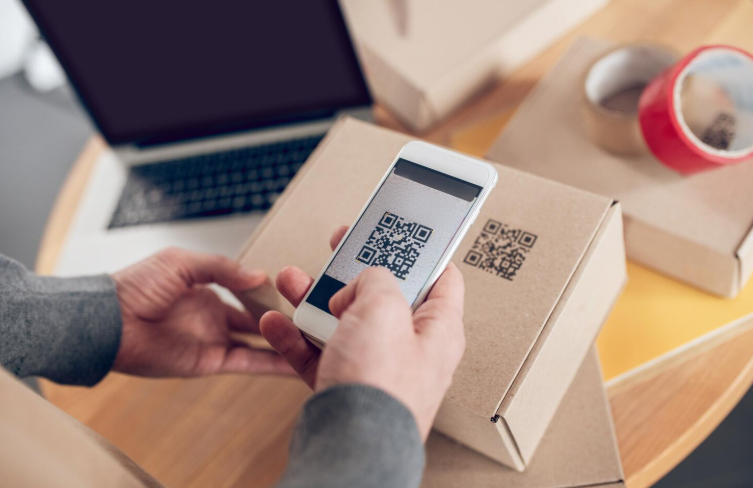
Brands use QR codes for consumer engagement by placing unique, scannable codes on product packaging that trigger instant rewards — points, UPI cashback, or brand vouchers — the moment a consumer scans them. In India, where 14 million+ kirana stores stock fast-moving goods and UPI processes over 500 million transactions daily, QR codes have become the most scalable direct-to-consumer touchpoint available. According to a 2024 industry report, over 60% of FMCG brands running consumer promotions now use QR or scan-based mechanics as their primary campaign channel.
Why Traditional Consumer Promotions Are Losing Relevance
Traditional promotions create no lasting connection between the brand and the buyer.
- One-directional reach — Shelf discounts and scratch cards deliver no consumer data back to the brand.
- High fraud exposure — Paper coupons are easy to duplicate and abuse at the retailer level.
- No repeat behavior — A one-time discount drives a one-time purchase; nothing brings the consumer back.
- Zero personalization — The same offer goes to every buyer regardless of location, frequency, or product preference.
- Thin tier-2 reach — Print campaigns miss consumers in Jaipur, Indore, and Nagpur, where digital penetration now exceeds 65%.
- No measurable ROI — Brands cannot link sales to specific promotions without a digital trail.
How Brands Build Consumer Engagement Programs
The most effective QR code consumer engagement programs connect the scan moment to a reward that feels instant and personal.
- Place unique codes on every SKU — Each QR code is tied to a specific product batch, making it traceable and fraud-resistant from day one.
- Reward the scan immediately — Instant UPI cashback or loyalty points credited to a consumer wallet convert passive buyers into active campaign participants.
- Gamify the experience — Platforms like Scratchwise layer scratch card mechanics and spin-the-wheel formats over the QR scan, increasing engagement time and return visits without raising reward costs.
- Collect first-party consumer data — Every scan captures purchase location, time, and frequency — zero-party data that no survey or panel can match.
- Trigger personalized follow-up campaigns — Consumers who scan three times within a campaign window receive a bonus reward; first-time scanners get an introductory offer.
- Enable multi-format redemption — Rewards redeemable via UPI, brand vouchers, or partner merchant credits stay relevant across every consumer demographic.
- Monitor campaign performance in real time — Built-in dashboards show scan velocity by city, SKU, and time window — so brands can redirect budget mid-campaign without waiting for post-campaign reports.
Scratchwise brings all of this together — unique QR code generation, instant UPI payouts, gamification layers, and live analytics built for FMCG scale. Explore Scratchwise →
What to Look for in a QR Consumer Engagement Platform
A production-ready platform should deliver:
- Fraud detection — Duplicate-scan blocking, device fingerprinting, and location anomaly alerts
- UPI-native payouts — Direct consumer transfers with no intermediary wallet friction
- Campaign configurability — Set reward values, scan limits, geofencing, and campaign windows without engineering support
- India compliance — GST-compliant reward structures; gifts above ₹5,000 trigger TDS requirements, and a good platform handles this automatically
QR Codes for Consumer Engagement
QR codes are no longer a novelty — they are the infrastructure layer of modern FMCG marketing in India. Brands that move beyond the discount mindset and build data-rich, gamified scan programs create consumer relationships that compound with every purchase. The technology cost is low. The data advantage is permanent. For brands competing across 14 million+ kirana shelves, that is a decisive edge.
Brands place unique QR codes on product packaging that consumers scan to earn instant rewards like UPI cashback, points, or vouchers. Each scan also feeds first-party purchase data back to the brand. In India, scan-based programs have become the dominant consumer engagement mechanic for FMCG companies running large-scale campaigns.
Instant UPI cashback is the highest-converting reward in India due to the 500 million+ UPI user base and its frictionless payout experience. Gamified rewards — scratch cards and spin-the-wheel — drive higher engagement even when the monetary value is small.
Effective fraud prevention uses unique, single-use QR codes tied to specific product batches, combined with device fingerprinting and duplicate-scan detection at the platform level. Brands that build these controls natively eliminate the need to manage fraud manually.
Yes — smartphone penetration in tier-2 cities like Jaipur, Indore, and Nagpur now exceeds 65%, and UPI works without high-bandwidth requirements. QR campaigns are often more effective in these markets than traditional print or in-store promotions.
A cashback offer gives a fixed monetary return on a single transaction. A scan and earn program builds cumulative points or rewards over multiple purchase interactions, driving repeat behavior rather than one-time conversion.